
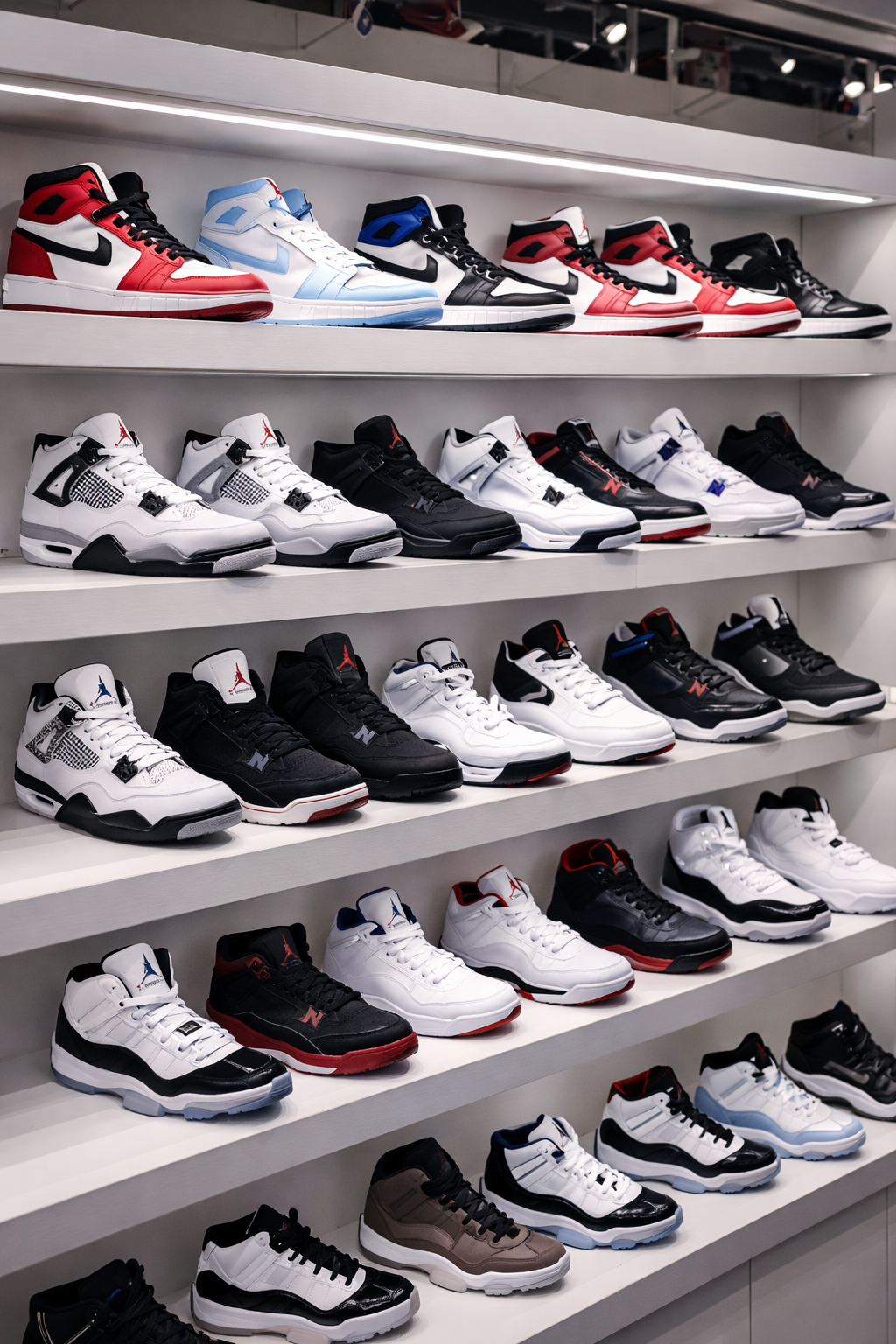
Jordan Shoes, widely known as Air Jordan sneakers, represent one of the most established and resilient segments within the global sneaker and sportswear industry. Backed by decades of brand equity, cultural relevance, and consistent consumer demand, Jordan Shoes hold significant value for business operators and sneaker collectors alike.
This article is written from a market-analysis perspective, combining industry knowledge, consumer behavior insights, and regional market understanding specific to Washington State, USA. It is designed to help readers make informed decisions related to sneaker investment, retail strategy, and long-term brand positioning. All insights are based on widely observed market patterns, professional sneaker business practices, and established resale dynamics within the U.S. market.
Jordan Shoes
Jordan Shoes, officially branded as Air Jordan under Nike, have evolved from performance basketball shoes into one of the most influential lifestyle and investment products in the global sneaker industry. Since their debut in 1985, Jordan Shoes have shaped consumer behavior, street culture, and secondary markets.
For business owners and sneaker collectors in Washington State, Jordan Shoes are not only fashion products but also strategic assets. Understanding their history, demand cycles, and market dynamics is essential for sustainable growth and informed decision-making.
The Jordan Brand as a Business Asset
The Evolution of Air Jordan
Air Jordan was launched through a partnership between Nike and Michael Jordan. What began as a risky endorsement deal transformed into a multi-billion-dollar brand. Today, Jordan Shoes dominate both primary retail and secondary resale markets.
Key business factors behind the success of Jordan Shoes include:
- Strong brand storytelling
- Limited production strategy
- Cross-generational demand
- Global distribution with local scarcity
These factors make Jordan Shoes particularly attractive to entrepreneurs and investors.
Jordan Shoes in the U.S. Sneaker Economy
In the United States, Jordan Shoes consistently rank among the top-selling sneakers by revenue. The resale ecosystem surrounding Air Jordans generates billions annually through platforms, consignment stores, and independent resellers.
Washington State plays a strategic role due to its purchasing power, tech-driven consumers, and proximity to major West Coast sneaker markets.
Washington State Sneaker Market Overview
Why Washington State Matters?
Washington State, especially cities like Seattle, Bellevue, and Tacoma, offers a unique environment for the Jordan Shoes market. High disposable income, strong streetwear culture, and access to global e-commerce infrastructure support consistent demand.
Business advantages include:
- Tech-savvy buyers
- Strong online resale activity
- Established sneaker communities
- Reliable logistics and shipping networks
Local Consumer Behavior
Sneaker buyers in Washington State tend to value authenticity, condition, and release history. Collectors often prioritize limited editions, while business buyers focus on resale margins and liquidity.
Popular Jordan models in the region include:
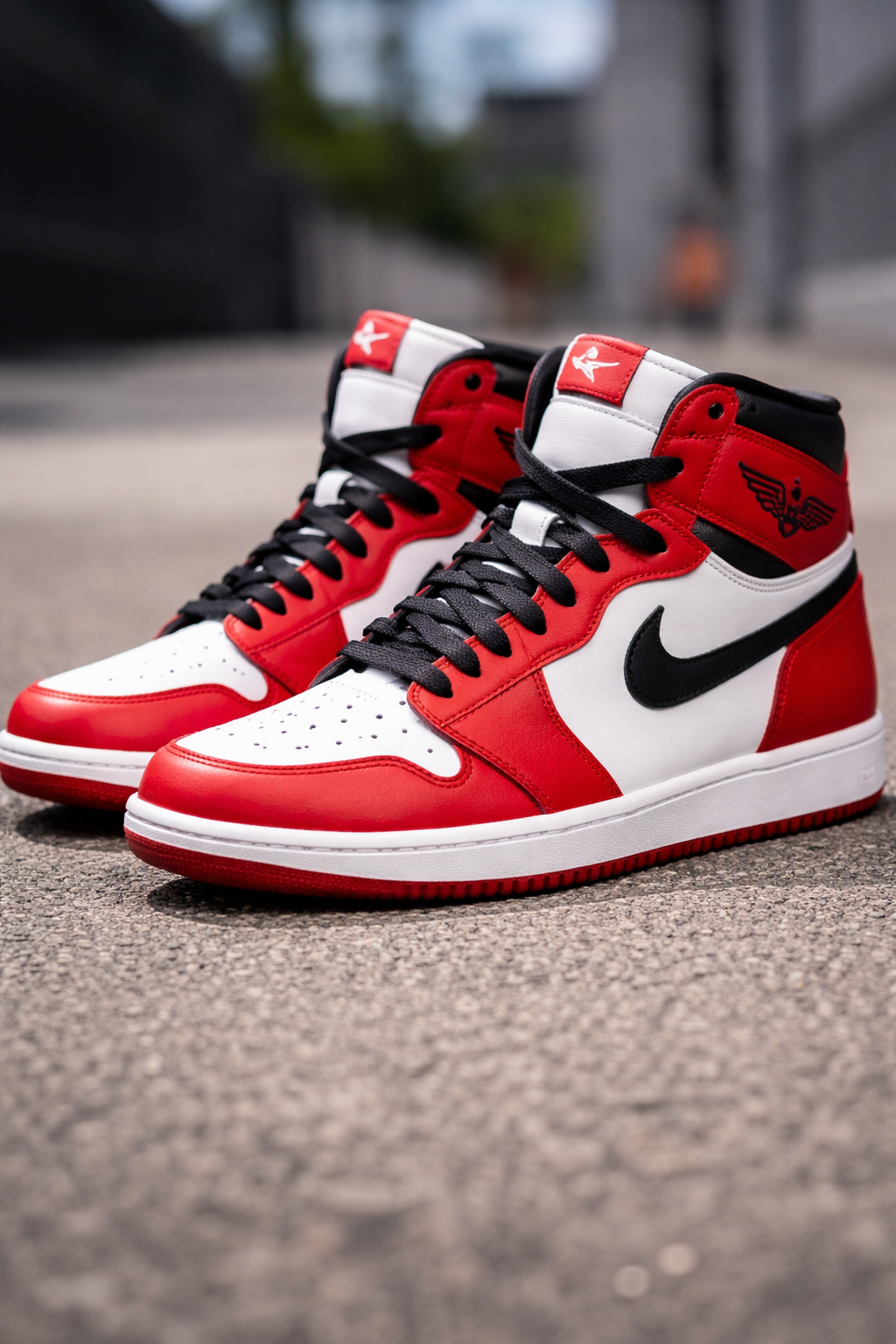
- Air Jordan 1 Retro
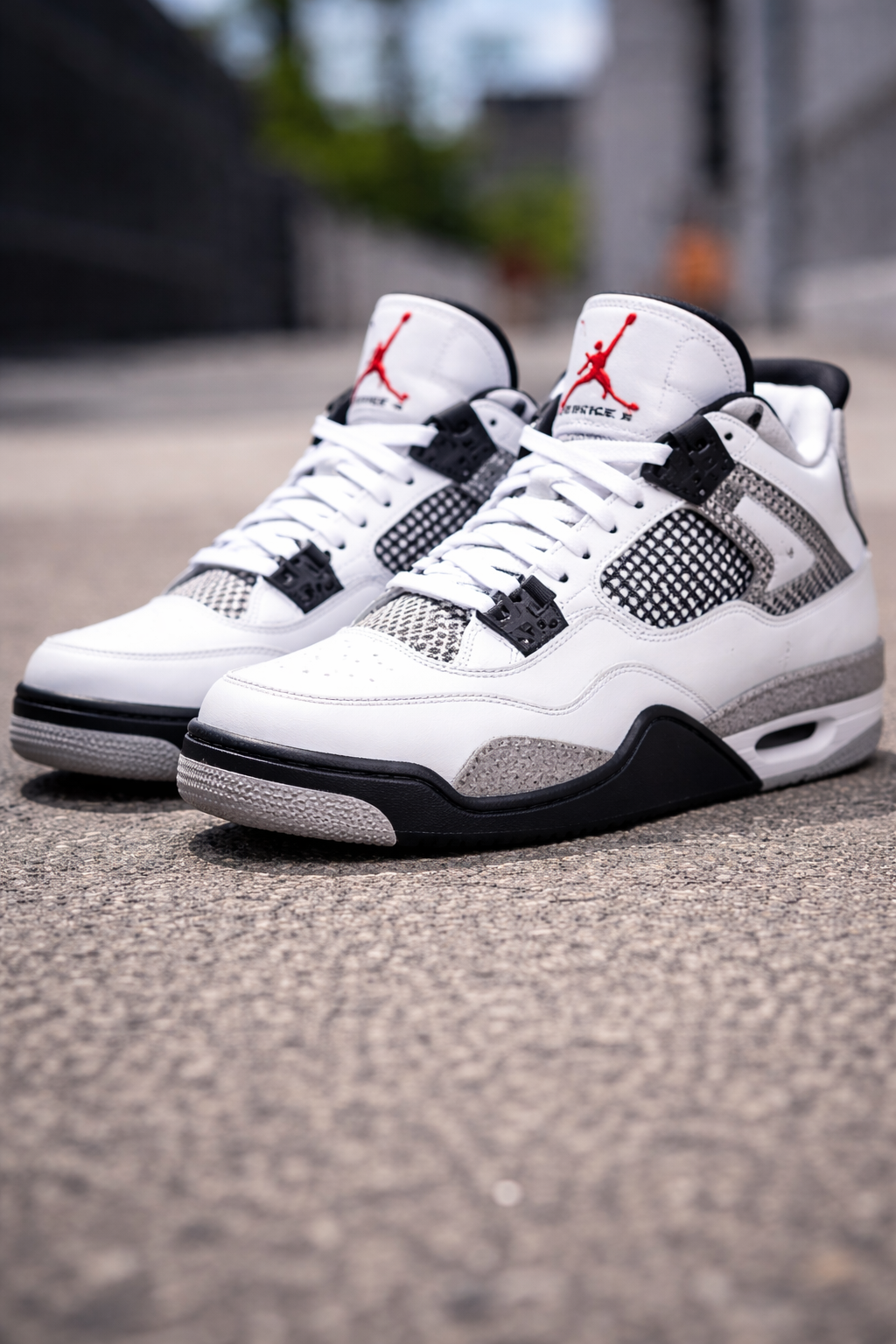
- Air Jordan 4 Retro
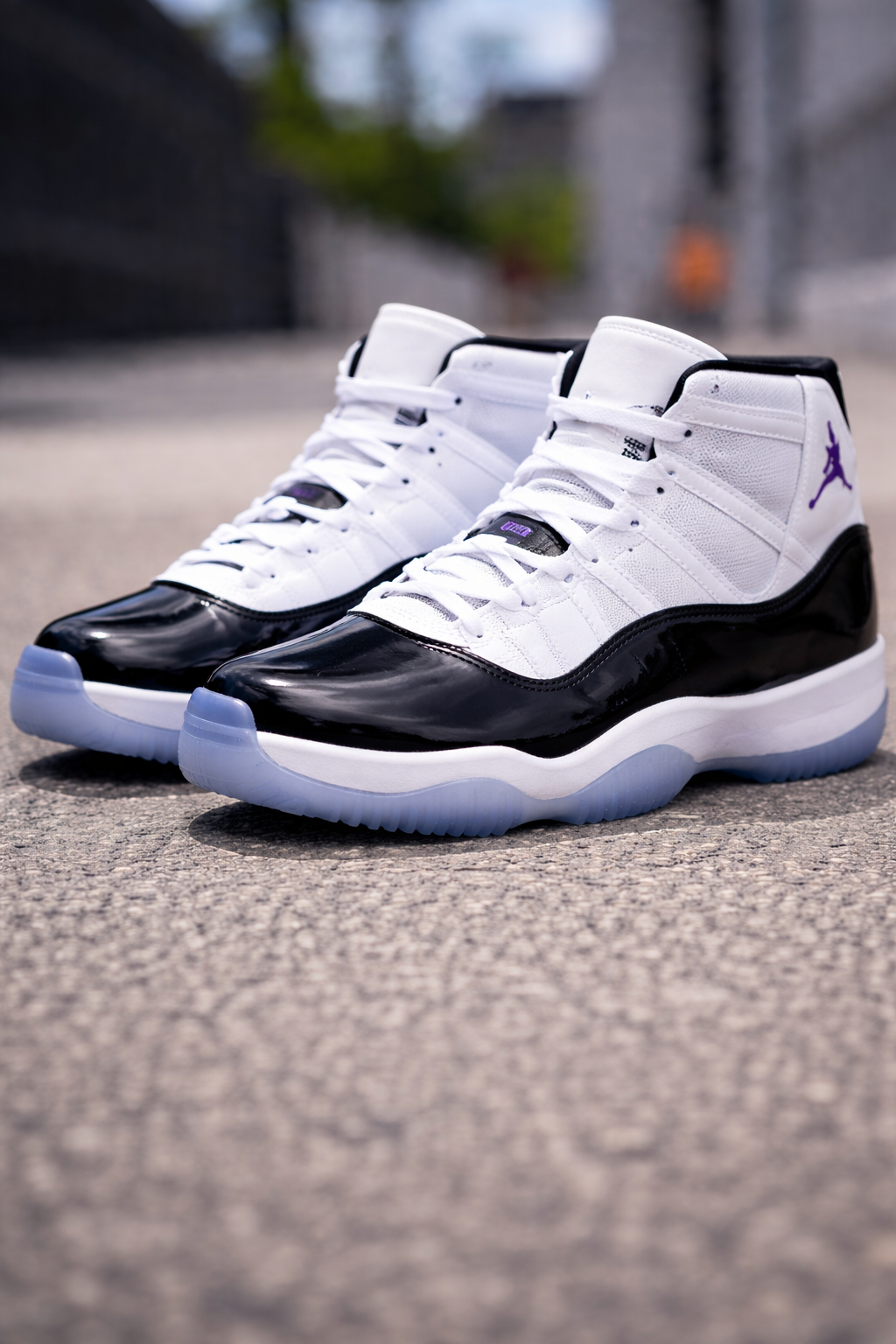
- Air Jordan 11
- Air Jordan collaborations and special editions
Jordan Shoes for Sneaker Collectors
Collectibility and Long-Term Value
Jordan Shoes are considered blue-chip assets in sneaker collecting. Certain models appreciate steadily over time, especially deadstock pairs with original packaging.
Key factors affecting collectible value:
- Original release year
- Colorway popularity
- Production volume
- Cultural relevance
- Condition and authenticity
Collectors in Washington State often treat Jordan Shoes as part of diversified alternative investments.
Most Collected Air Jordan Models
Air Jordan 1
The Air Jordan 1 remains the most iconic and collectible model. Early colorways and limited collaborations command high premiums.
Air Jordan 4
Known for its design and cultural exposure, the Air Jordan 4 performs well in both short-term resale and long-term holding strategies.
Air Jordan 11
Highly sought after for its premium materials and holiday releases, the Air Jordan 11 is favored by both collectors and resellers.
Jordan Shoes for Business Owners
Resale and Retail Opportunities
For entrepreneurs, Jordan Shoes present multiple revenue models:
- Direct retail sales
- Online resale via marketplaces
- Local consignment stores
- Private collector sourcing
Washington State businesses benefit from strong domestic shipping routes and high trust in U.S.-based sellers. Visit Instagram TracSoles
Pricing Strategy and Margins
Jordan Shoes pricing depends on release timing and demand. Early access and efficient inventory turnover are critical.
Business owners typically focus on:
- MSRP vs resale spread
- Seasonal demand peaks
- Capital allocation per release
- Inventory holding risk
Authentication and Risk Management
Importance of Authenticity
Authenticity is a non-negotiable factor in the Jordan Shoes market. Counterfeit products can damage brand trust and business credibility.
Recommended practices:
- Multi-point authentication checks
- Use of trusted suppliers
- Documentation and SKU verification
- Secure storage conditions
Market Volatility
While Jordan Shoes are generally stable assets, market fluctuations can occur due to overproduction or shifting consumer trends. Professional buyers mitigate risk by diversifying models and release years.
Jordan Shoes represent a unique intersection of culture, commerce, and collectibility. In Washington State, the market is supported by informed consumers, strong purchasing power, and advanced digital infrastructure.
For business owners, Jordan Shoes offer scalable opportunities with proper strategy and risk management. For sneaker collectors, they provide long-term value and cultural significance. Understanding the market holistically allows stakeholders to make informed, sustainable decisions in one of the most resilient segments of the sneaker industry.