
Proper care of Jordan sneakers goes beyond cleaning and waterproofing. A frustrating issue many sneaker collectors and trend lovers encounter is yellowing soles. Whether you wear your Jordans on rainy streets, exhibit them in your collection case, or attend sneaker culture events, yellowing can reduce aesthetic appeal and resale value.In this article, you’ll learn why yellowing happens, how climate and storage affect it, and effective steps to prevent this common problem.
What Causes Yellowing Soles on Jordan Shoes
Yellowing occurs primarily due to oxidation, a reaction between oxygen and the materials in the sole. In addition, UV exposure, humidity, and moisture accelerate the process. The situation is especially pronounced in areas with rainy weather like Washington State.
Common Contributing Factors
- UV light exposure
- High humidity environments
- Contact with dirt and natural oils
- Low ventilation storage
- Aging materials on older retros
Understanding the cause helps you take preventive action before yellowing becomes permanent.
How Climate in Washington State Affects Sole Oxidation
Washington State’s climate influences sneaker materials differently.
Western Washington (e.g., Seattle, Tacoma)
- Higher rainfall
- Frequent humidity rise
- Less sun exposure but more moisture retention
Eastern Washington (e.g., Spokane, Tri-Cities)
- Drier conditions
- More UV exposure in summer
- Greater temperature shift
Both conditions can trigger oxidation—either through moisture (accelerating chemical changes) or through UV light.
To address this effectively, a targeted prevention plan is key.
Step-by-Step Guide to Prevent Yellowing on Jordan Soles
1. Limit Direct Sunlight Exposure
Keep Jordans out of direct sun, especially during long photo sessions or extended outdoor wear.
2. Use UV-Protective Storage Solutions
UV-protected sneaker boxes or cases reduce light penetration.
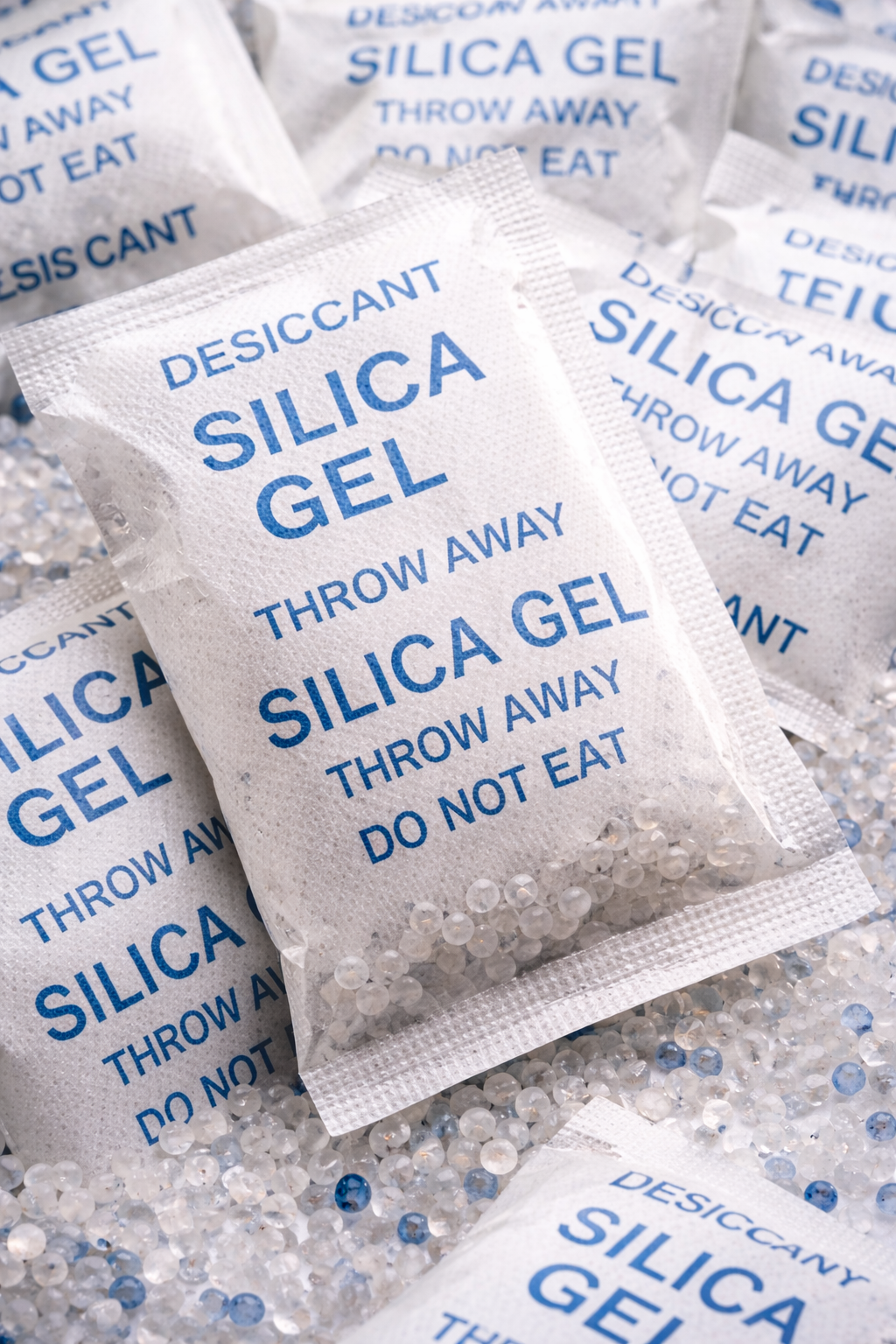
3. Employ Silica Gel Packs
Absorb excess moisture inside a storage environment and fight humidity buildup.
4. Rotate Your Sneakers Frequently
Regular rotation prevents prolonged environmental exposure on a single pair.
5. Clean Sole Edges Regularly
Dirt and oils accelerate oxidation. Use a gentle sneaker cleaner on the sole edges after each wear.
6. Avoid Extreme Temperature Changes
Don’t move your sneakers between very cold and very hot environments within short intervals.
These steps complement broader per-pair care strategies that we explain in detail in the article here: Jordan Shoes Care Tips: The Ultimate Guide for Sneaker Collectors in Washington State
Best Storage Options to Prevent Sole Yellowing
Recommended Storage Environment
- Dry, ventilated closet
- Stable temperature
- Away from UV light
- Silica packets included
Avoid These Storage Spots
- Damp basements
- Attics with heat swings
- Garage shelves near windows
- Cardboard boxes against exterior walls
Proper storage slows oxidation and protects overall condition.
DIY vs Professional Sole Maintenance
For many sneaker enthusiasts, DIY prevention works well. For rare or high-value Jordans, consider professional sneaker restoration services.
DIY Prevention Benefits
- Cost-effective
- Immediate implementation
- Full control
Professional Services Advantages
- Advanced oxidation treatment
- Deep sole rejuvenation
- Expert material handling
Whether you choose DIY or professional care, consistent habits make the biggest difference.
How to Spot Early Signs of Sole Yellowing
Early detection makes restoration easier.
Look for:
- Slight off-white discoloration
- Patchy light yellow areas
- Foggy translucent areas
If detected early, you can treat the sole sooner and prevent deeper yellowing.
Real Stories: Washington Sneaker Collectors
Collecting in a rainy climate teaches practical awareness. Many collectors in Seattle store their prized pairs inside controlled cabinets with silica packs and avoid wearing retros on wet surfaces.
Common Mistakes That Increase Sole Yellowing
Avoid these frequent errors:
- Storing in damp plastic bags
- Leaving shoes in parked cars
- Using harsh cleaners on soles
- Failing to rotate shoes
- Ignoring sneaker care routines during rainy months
Making care a habit prevents many long-term issues.
Quick Preventive Checklist
✔ Use UV-protected storage
✔ Add silica gel packets
✔ Rotate pairs weekly
✔ Clean soles after every wear
✔ Store in cool, dry space
✔ Avoid direct sunlight
Integrate these points into your broader sneaker care plan outlined in the pillar article above.
FAQ: Sole Yellowing & Jordan Shoes
Q: How soon can yellowing occur on Jordan shoes?
A: Depending on climate and wear, yellowing can begin within weeks without proper protection.
Q: Can yellowing be reversed?
A: Some oxidation can be reduced with professional treatment, but preventing it early is far more effective.
Q: Are all Jordan soles prone to yellowing?
A: Translucent and icy soles are most vulnerable; solid rubber soles show less discoloration.
Q: Does rainy weather accelerate yellowing?
A: Yes. Moisture speeds chemical reactions that turn clear soles yelloish.
Conclusion
Preventing yellowing soles is a critical part of sneaker care for anyone serious about their Jordan collection. By understanding causes, adapting care routines to local climate conditions, and using proper storage solutions, you protect both aesthetics and value.